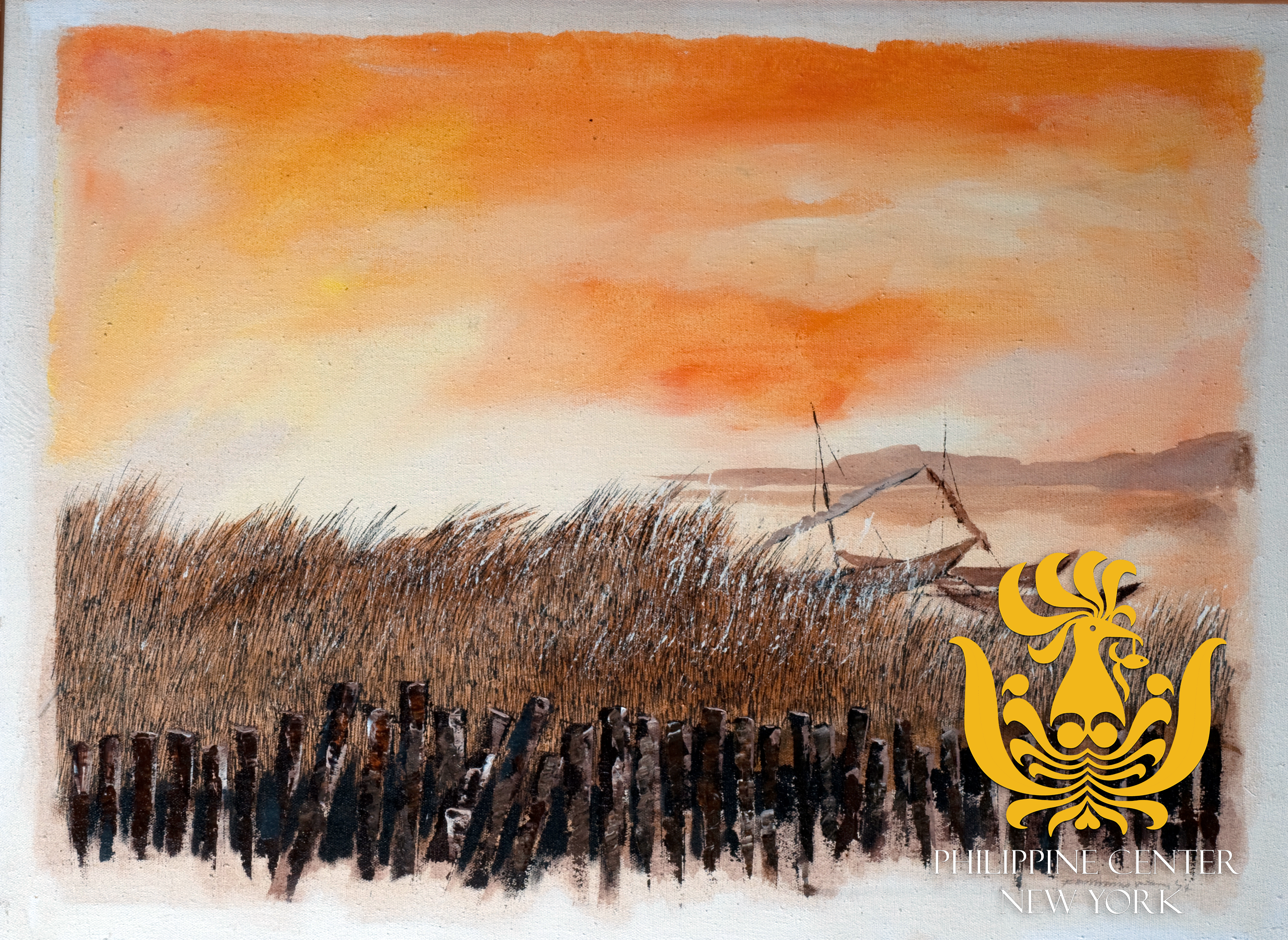
Francisco Verano
Francisco Verano is a Filipino sculptor and painter whose career spans several decades of innovation in form, material, and technique. He earned his Bachelor of Fine Arts from the University of the Philippines, where he developed the foundation for a practice that would later make him one of the country’s notable modern sculptors.
Verano received multiple distinctions from the Art Association of the Philippines, including First Prize for Stone Idol in 1951 and Third Prize for Composition No. 15 in 1961. Although he also painted landscapes and still life, sculpture became the core of his artistic identity.
He is best known for transforming old wood salvaged from demolished houses into expressive human forms works that comment on resilience, memory, and the human condition. Art critic Alice Guillermo described his figures as “stylized human forms, supple in movement, performing light and airy gestures,” capturing the lyrical quality of his approach.
Beginning in 1971, Verano also pioneered the use of bamboo as a sculptural material, exploring its structural and musical qualities. His work Bamboo Fugue I, now part of the Cultural Center of the Philippines’ permanent collection, was inspired by indigenous instruments and reflects his interest in rhythm, sound, and cultural heritage.
Across his career, Verano developed a sculptural language rooted in Filipino materials, craftsmanship, and sensibility creating works that bridge tradition, innovation, and human expression.